The Crowd Factor: Quality Over Quantity
When planning an African safari, many travelers default to iconic national parks like Kruger. But seasoned safari-goers know the real magic lies in private reserves – and Olifants West Nature Reserve, home to Sausage Tree Safari Camp, exemplifies why.
The Crowd Factor: Quality Over Quantity
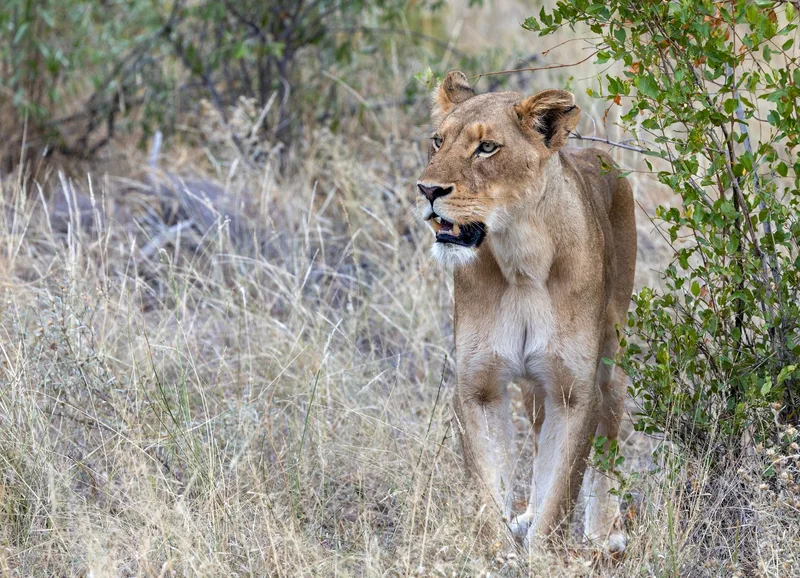
In Kruger National Park, sightings of the Big Five often draw 20+ vehicles jostling for views. By contrast, Olifants West – part of the Greater Kruger ecosystem – limits vehicles to 2 per sighting. This rule isn’t just about tranquility; it’s ethical. Overcrowding stresses animals, particularly predators teaching cubs to hunt.
At Sausage Tree, guides prioritize low-impact encounters . Recently, guests witnessed a female leopard named Karula stash her impala kill in a sausage tree (the camp’s namesake) without a single other vehicle present. Such moments define exclusivity.
Activities You Won’t Find in National Parks
Bush Walks
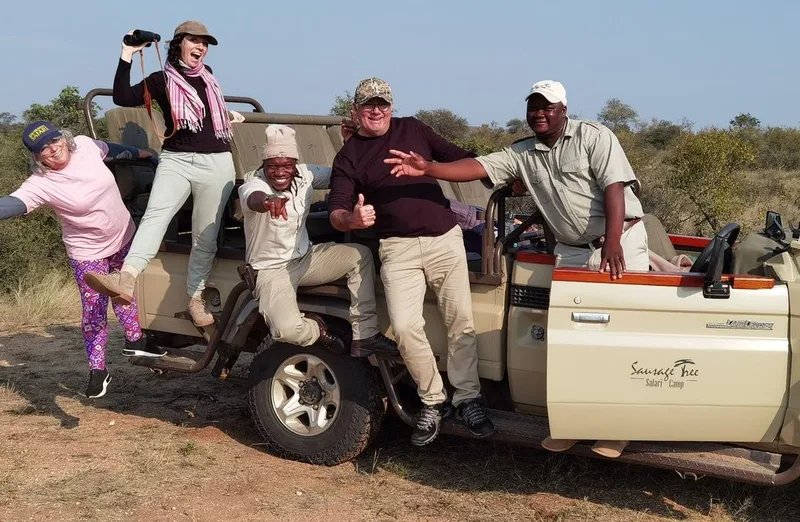
: Guides like tracker Polite Manhuke (10 years’ experience) teach guests to “read” the bush – from deciphering porcupine quills to identifying elephant digestion cycles via dung.
Night Drives
: Spot rare species like pangolins or civets, and learn how stars like Scorpius guided ancient explorers.
Flexible Timing
: Unlike Kruger’s rigid gate hours, private reserves allow sunset-to-starlight drives when predators are most active.
Why Olifants West Stands Out
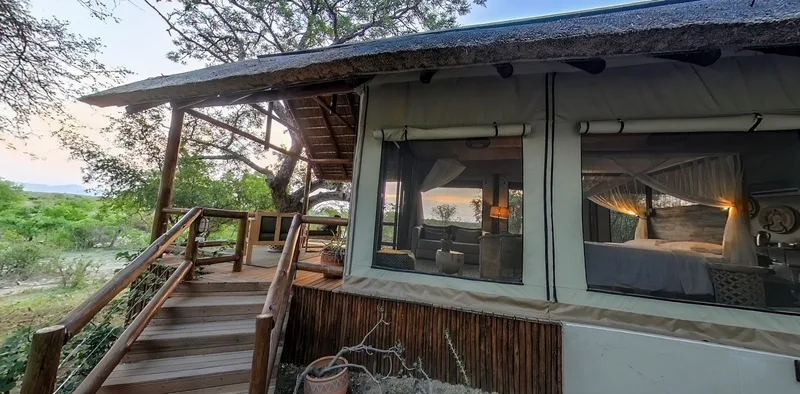
This roughly 8,900-hectare reserve borders the Olifants River, a lifeline for elephants and buffalo. Its mopane woodlands shelter rare antelope like the Sharpe’s grysbok. Sausage Tree’s 5 tented suites face a seasonal waterhole frequented by nyala herds – a scene you’ll enjoy privately, as day visitors aren’t permitted in private reserves.
Pro Tip : Visit April-October (dry season) when animals congregate at water sources.
-800w.webp)